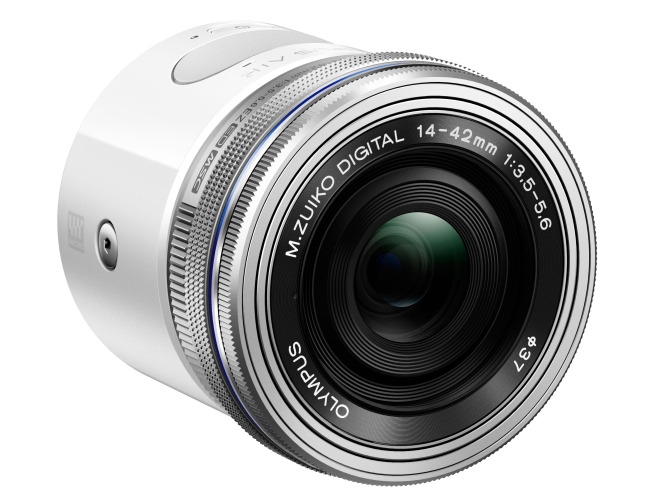
Olympus has released its new Air A01 wireless camera, along the lines of the Sony QX1. The A01 has a 16 megapixel sensor and TruePic VII image processor as the latest OM-D and PEN cameras, and a Micro Four Thirds lens mount for you to attach to any of Olympus’ compatible lenses.
Just like the QX1, the A01 attaches to your smartphone, Android or iOS, and wirelessly interfaces with the O.A.Central app. The app allows you to control all the features of the camera, use the phone as a viewfinder, and transfer images from the camera over Wi-Fi. Read more »
DxO, known for testing camera quality among other things, has decided to jump into hardware with the DxO ONE. It’s a camera module that attaches to an Apple device that can snap RAW images with its 1″ 20.2MP sensor behind a fast f/1.8 lens.
The DxO ONE uses a physical connection to the iPhone or iPad, over the Lightning port, which eliminates lag compared to the wireless connection of Sony’s QX cameras. Read more »
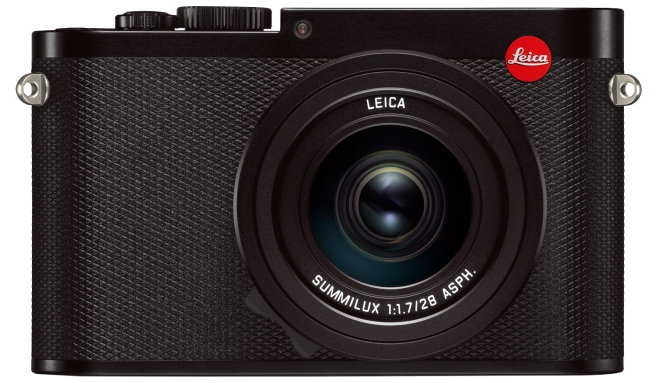
Leica has announced the newest member of its rangefinder-style of cameras, the Leica Q. The camera comes with a full-frame sensor and a fixed lens matched to the sensor.
The Leica Q has a 24 megapixel full-frame CMOS sensor with a sensitivity of up to ISO 50,000. The sensor is matched to a fixed 28mm F 1.7 Summilux lens. The camera has an electronic viewfinder on the back with a resolution of 3.68 megapixel resolution. The viewfinder allows the photographer to select 35mm and 50mm focal lengths and save the photos with that focal length. Read more »
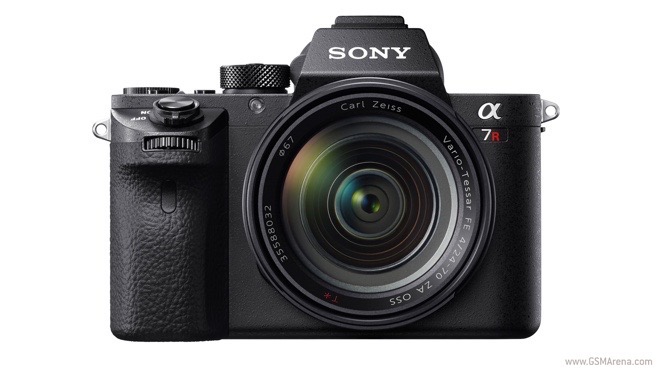
Sony took the wraps off a trio of high-end digital cameras. Sony a7R II, RX10 II, and RX100 IV add 4K video recording to the company’s already rich lineup of premium snappers.
Sony a7R II is the Japanese tech giant’s new camera flagship. Read more »
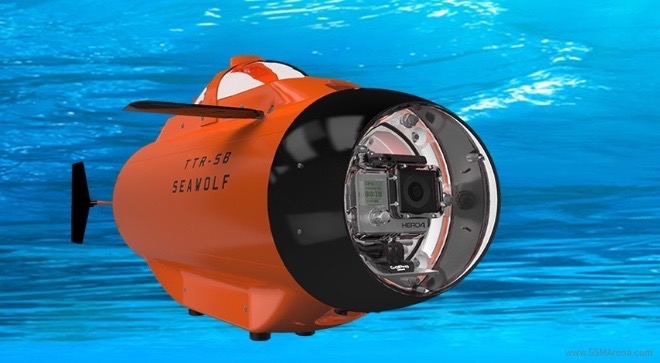
There is a remote controlled mini submarine you can attach your GoPro camera to on the way. Dubbed TTR-SB Seawolf, the underwater vessel works with GoPro Hero3 and Hero4 cameras.
The submarine is designed and manufactured by the Swedish company TTRobotix and comes with a forward-facing GoPro mount. Read more »
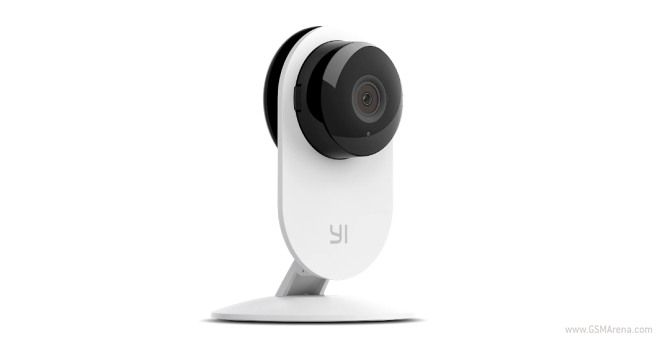
Xiaomi announced its third camera today – the Yi Camera Night Vision Edition. It has the same design as the original Yi Camera, and has nothing to do with the Yi Sport/ Mi Sport Action Camera we saw a few months back.
The new Yi Camera Night Vision has a 940mm infra-red camera sensor and so it doesn’t need any kind of artificial light. Besides the new sensor, the rest of the functionality remains the same – it snaps pictures, records HD video (probably with 20fps) and is Wi-Fi-enabled and can stream live picture. Read more »
The leading manufacturer of action cameras GoPro will launch its first quadcopter in about a year. Nick Woodman, the company’s CEO announced that the drone will debut in the first half of 2016.
Woodman calls the upcoming quadcopter “the ultimate GoPro accessory.” Read more »
DxOMark put HTC One M9 and its 20MP camera through the paces of its highly contested photography test. The Taiwanese manufacturer’s metal-clad flagship received the poor overall score of 69 (73 for still photography and 61 for video capture).
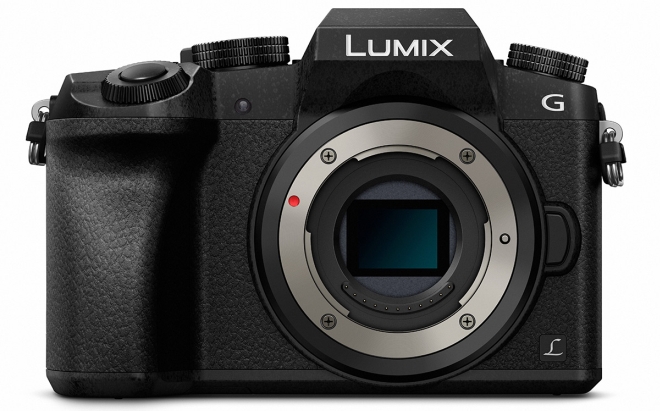
Panasonic has announced a new Micro Four Thirds mirrorless interchangeable lens camera called the G7. The main feature here is the 4K recording. You can record videos in 3840×2160 at up to 30fps or at 1080p at up to 60fps.
One new feature is the ability to extract 4K frames from your video and then save them as 8 megapixel still images. There are also three modes for shooting 4K burst images, one where you can press and hold the shutter as long as you want for 30fps burst mode, one where you can press once to initiate and once again to stop burst mode, and one where the camera records 60 frames before and after the shutter release. Read more »
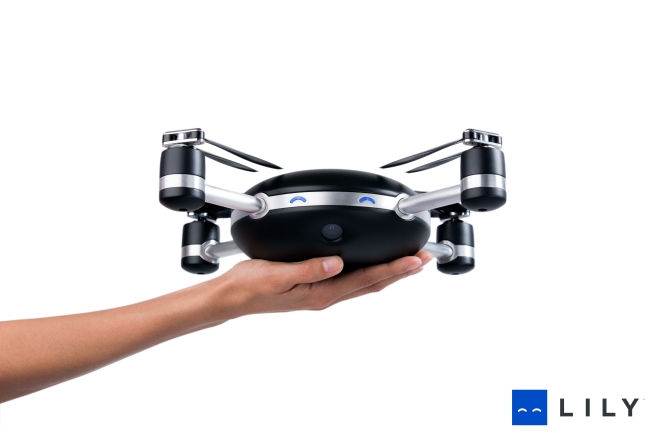
Drones with cameras in them aren’t new, but all of them require someone to fly the drone around so if you want to record yourself doing something cool you need someone to control the drone.
Not with Lily. This compact drone will automatically follow you around and shoot video without any manual assistance. Lilly flies by simply tossing in the air. It detects fall and kicks into life instantly. It will then follow you around and shoot video for up to 20 minutes on a full charge. Read more »
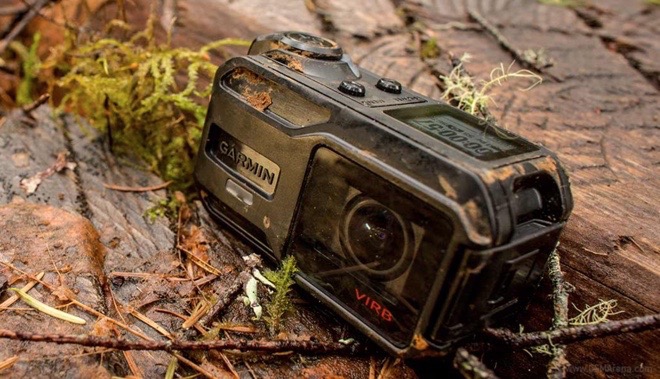
Garmin took the wraps off two new VIRB action cameras. The VIRB X and VIRB XE are priced at $299.99 and $399.99 respectively and will hit the shelves at some point this summer.
In addition to recording your adventures, the newcomers will also track them with a great deal of detail thanks to a bevy of built-in sensors. Read more »
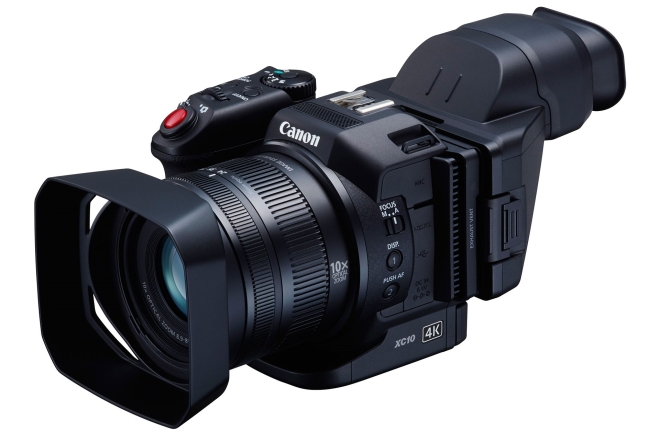
Canon has announced a new camcorder with 4K internal video recording. Called the XC10, the new camera is aimed at beginners and semi-professionals who would want to upgrade to shooting 4K video without spending the big bucks for it.
The XC10 has a 1-inch type, 12 megapixel CMOS sensor for shooting videos and stills. The camera has a fixed wide angle optically stabilized lens with 10x optical zoom. It has a 35mm equivalent focal length of 24.1-241 mm for stills and 27.3-273 mm for videos with a variable f2.8-5.6 aperture. Read more »
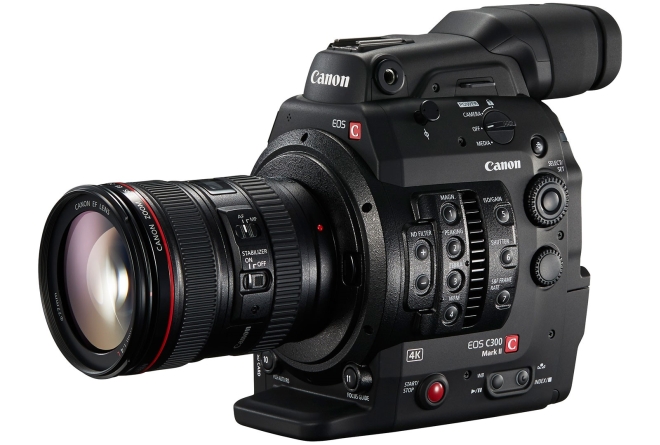
Canon has announced the latest flagship member of its cinema line of EOS cameras. The C300 Mark II has a new super 35mm sensor and 4K internal recording and 15-stop wide dynamic range.
The C300 Mark II has a new 8.85 megapixel super 35mm CMOS sensor coupled with Dual DIGIC DV 5 image processor. Canon has also developed a new XF-AVC codec that allows recording 10-bit 4:2:2 4K image internally without having to rely on an external recorder. The sensor is capable of shooting up to ISO 102,400 and sensor readout has been sped up by two times over the previous one to reduce rolling shutter distortion. Read more »
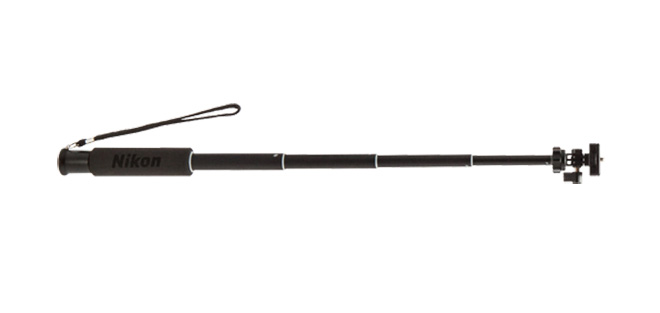
Nikon quietly introduced a selfie stick (N-MP001) accessory for select Coolpix family models. The gadget costs $60 a pop and is available for pre-order at major US retailers.
Nikon’s selfie stick measures 28.54 inches long when extended completely and weighs 186 grams. Read more »
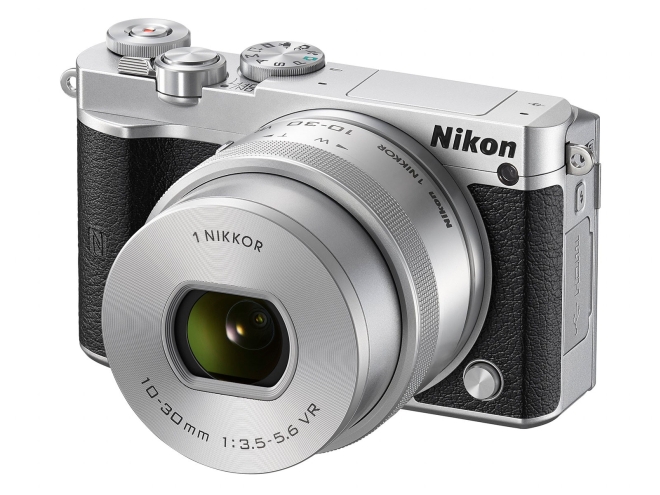
Nikon has launched the latest entrant in its compact mirrorless camera series, the Nikon 1 J5. The camera has a 20.8 megapixel, 1″ CX format BSI sensor, with EXPEED 5A image processor and an incredible 171 point contrast detect AF system with 105 phase detect AF points.
Speed seems to be the camera’s forte, as the company claims a burst mode of 20 fps at full resolution with continuous autofocus and up to an astonishing 60fps with fixed focus. The camera also boasts of 4K video recording, but does so at a lackluster 15fps, making it entirely useless for most people. Thankfully there’s the more usable 1080p60 recording mode as well 120fps slow motion 720p video. Read more »



 Lenovo A7000 Preview
 Your verdict on Android M, iOS 9 and Watch OS 2.0
 HTC One E9+ performance benchmarks
 Oppo R7 battery life test
 HTC One M9+ preview